

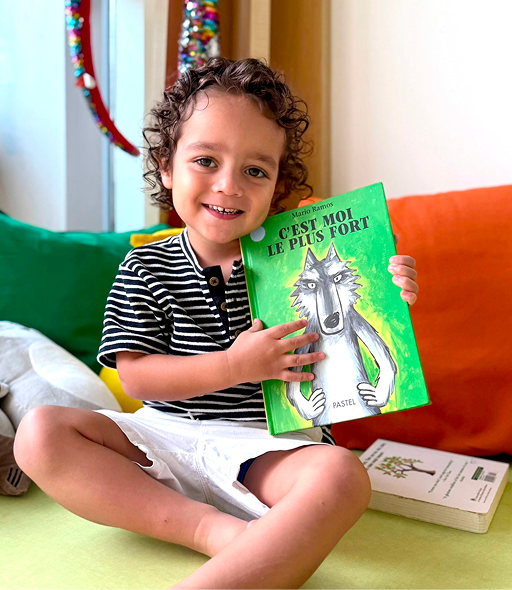
Trilingual Preschool in Singapore (English, Mandarin & French)
At Lumina International Preschool, your child can grow up with three languages that make sense in real life: whether you speak English and Mandarin at home, dream of gifting your child a third language, are planning a move abroad, or simply want them to thrive in Singapore’s rich multilingual environment, this is a beautiful step forward for their future.
We are an ECDA-registered international preschool in Alexandra (456 Alexandra Road), welcoming children ages 2–6 (N1 to K2). Families can choose the Trilingual (FR–EN–ZH) pathway, carefully designed to build confidence, communication, and curiosity in a calm, emotionally safe environment.

Why a trilingual pathway can work well in Singapore
Singapore children grow up in a multicultural environment where preschool is often the first place they begin building bilingual foundations in English and a Mother Tongue Language. A strong early language environment focuses on listening, speaking, confidence and meaningful interaction, not “perfect grammar” at age four.
For many families, adding French as a third language is less about “getting ahead” and more about expanding identity, culture and future pathways—while keeping the child’s wellbeing at the centre.
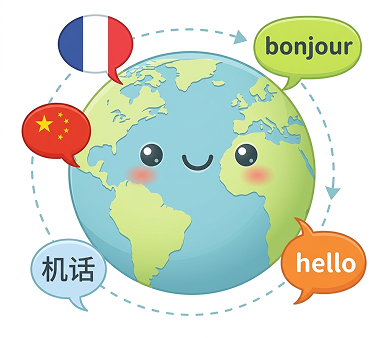
Trilingual (FR–EN–ZH)
Three languages, endless opportunities
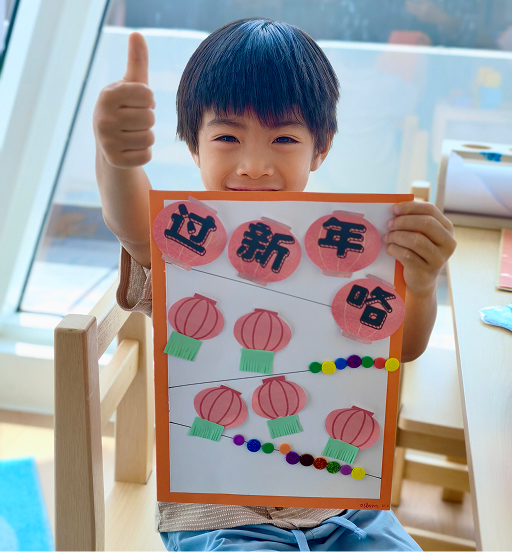
Curriculum
Lumina’s approach is grounded in a strong French foundation with a global perspective, using inquiry-led, hands-on projects so children learn through exploration, play and real-world themes. This fits well with what Singapore’s official preschool direction calls “integrated and active learning” through purposeful play and quality interactions.
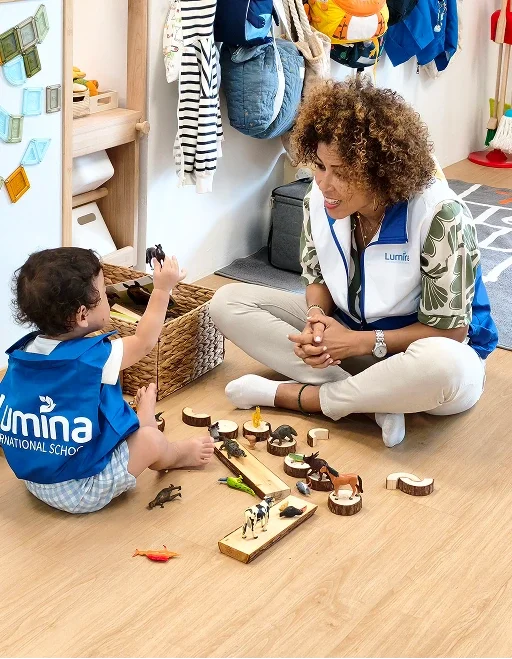
In the trilingual pathway, languages are lived daily—through routines, stories, songs, small-group conversations and project work—because young children learn languages best when they experience rich, responsive back-and-forth communication with caring adults.
What your child learns (and how languages fit in)
Benefits for your child:
beyond “more languages”

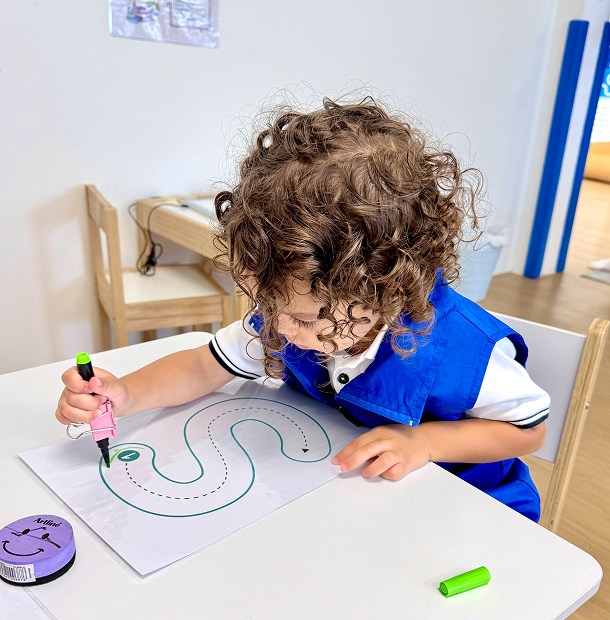

Parents usually tell us they want three things: a child who communicates confidently, handles emotions well, and learns with curiosity.


At Lumina, SEL is not an “add-on”. We build kindness, self-regulation and resilience into everyday routines—because social and emotional competencies are widely recognised in Singapore’s as well as international early childhood framing as foundational for learning and relationships.
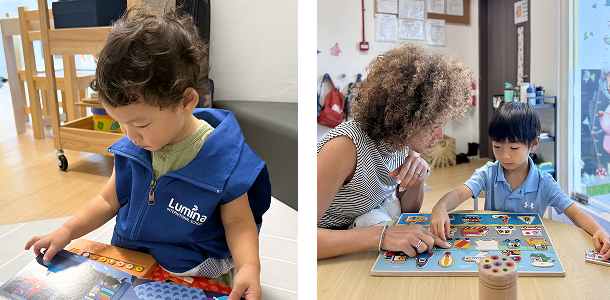


Language-wise, the goal is not that every child becomes “equally fluent” immediately (children often show different strengths across languages). The goal is that they feel safe and motivated to participate, understand more over time, and develop the confidence to express themselves across contexts at their own pace.
Class size, ratios, and teacher qualifications
Lumina is “small-by-design”, with teacher-child ratios communicated as varying by level (often presented as 1:6). Smaller groups make it easier for teachers to have real conversations with each child, critical for language development and confidence.

Our educators bring recognised early childhood qualifications and ongoing professional development.
Led by Maria Lamrani Alaoui and a multicultural teaching team (including dedicated English, Mandarin and French educators, but also a clinical psychologist and a nurse), Lumina emphasises calm relationships, communication and whole-child growth.
FAQ

Frequently Asked Questions
-
Children can learn multiple languages. What matters most is a high-quality language environment—rich, responsive interaction in languages adults can use confidently. Research shows that early childhood is a key period for language acquisition, when children are especially receptive to sounds and structures.
-
No. What matters most is consistency in the home language. The school languages are introduced as an addition, and children engage with them naturally through daily interactions at school.
-
Balanced bilingualism (or trilingualism) can be challenging and children often show uneven strengths. A good programme builds motivation and meaningful use, not pressure, and supports gradual confidence across languages at the child’s own pace.
-
Lumina highlights daily sharing, storytelling and communication routines; these connect closely to the idea that back-and-forth “serve and return” interaction supports early language and social development.